Nail art fails in a boring way. It rarely falls off in one dramatic moment. Instead a rhinestone goes missing on day four, a fine line chips at the typing edge by day nine, and a white design slowly takes on the color of everything it touches. The gap between the photo a client brings in and the nails she lives with is almost always a gap between the design and her daily routine, not the technician's skill.
Choosing art that survives means matching the design's fragility to your hands' actual work. This guide sorts the common design families by durability and shows the adjustments that let a favorite look survive a Huntersville routine of keyboards, kitchens, lake weekends, and gardening gloves.
Where designs actually wear out
Wear concentrates in predictable places: the free edge of the dominant hand's index and middle fingers, and the corners of square shapes. Those spots meet keyboards, can tabs, seatbelts, and pockets all day. Art placed exactly there lives the shortest life. Art placed near the cuticle, on the ring finger, or across the whole nail in a pattern that forgives small chips, survives far longer at the same quality of application.
Color choice matters as much as placement. Pale and white-based designs show every stain and scuff, and in summer they pick up sunscreen, newsprint, and denim dye. Dark and saturated colors hide wear but announce grow-out sooner, because the contrast at the cuticle is sharper. Neither is wrong. It is a choice about which problem you would rather manage in week three.
The durability league table
The hardiest designs are the ones built into the surface: full-color finishes, cat-eye and chrome powders sealed under topcoat, French and gradient designs painted in gel, and simple line work kept away from the free edge. These wear the way plain polish wears, because structurally they are plain polish with better art direction. Expect them to last the full life of the underlying finish.
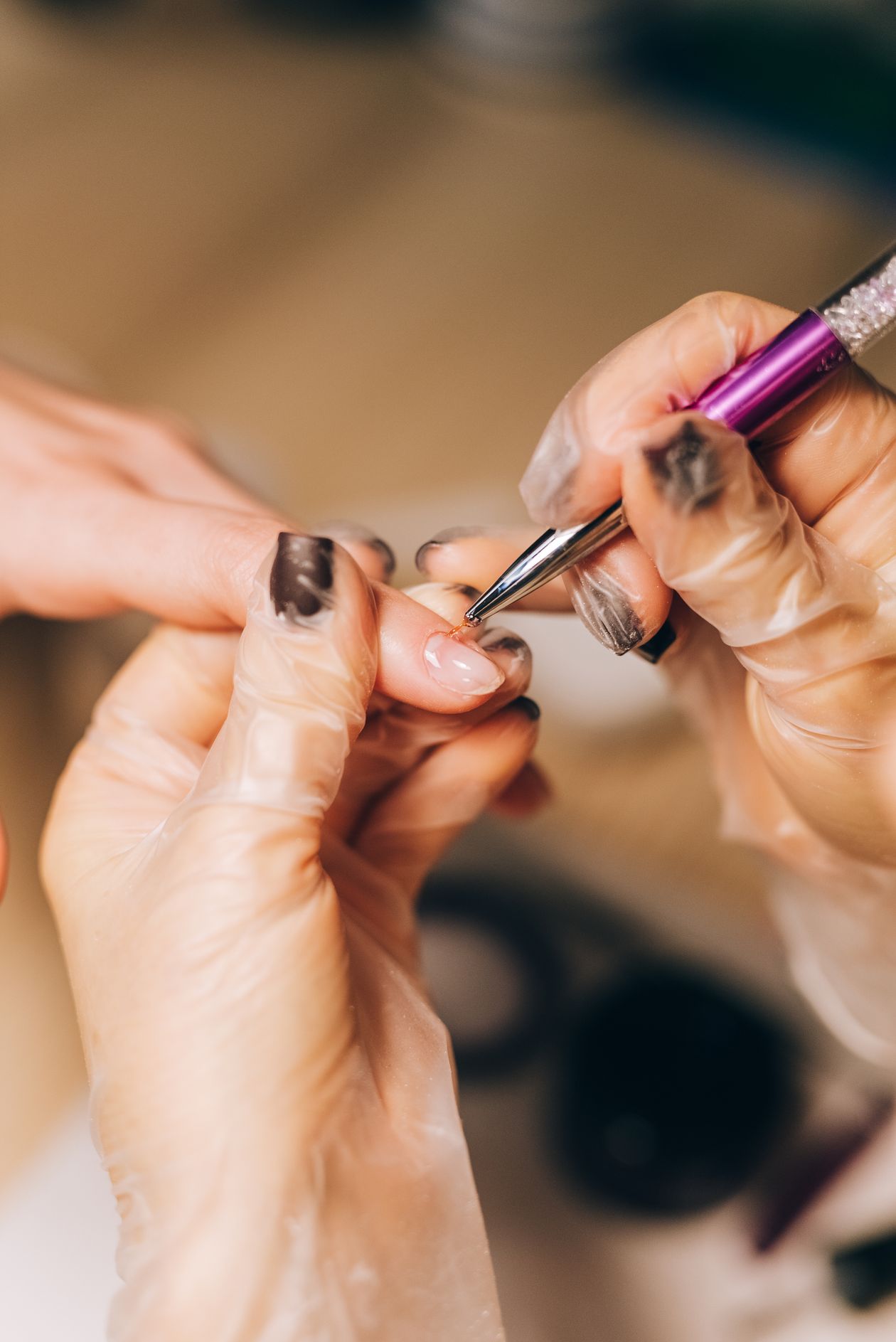
Middle of the table sits flat art with texture changes: matte finishes, which look wonderful and show oils and scratches faster, foil and sticker work under topcoat, and hand-painted details on one or two accent nails. The fragile tier is anything three-dimensional: rhinestones, charms, pearls, and raised art. Those pieces catch on hair, gloves, and clothing, and each one is a small lever waiting for a snag. Save them for event weeks, or place a single stone where it meets nothing.
Matching art to the week you actually have
Work backwards from your calendar. A beach week at Lake Norman, a move, a big gardening push, or a newborn at home all argue for the hardiest tier and a shorter length, whatever the photo says. A wedding, photos, or a holiday week argues the other way and justifies the fragile art, because the nails only need to be perfect for days, not weeks.
Length is the silent variable in every design. The same art that survives on a short, rounded nail breaks on a long, square one, because length multiplies the force at every tap and snag. Clients who keep their length and want durable art should let the technician round the corners and keep the design off the last two millimeters of the nail. That small margin is where most failures start.
| Design family | Where it sits | Realistic life |
|---|---|---|
| Painted French, gradients, chrome | Sealed in the finish | Full life of the set |
| Matte, foils, stickers under topcoat | Surface layer | Good, shows wear sooner |
| Fine detail on accent nails | One or two nails | Good if kept off the free edge |
| Stones, charms, raised art | Glued on top | Event-length, snag-prone |
Talking to the technician about a photo
Bring the photo, and then have the durability conversation out loud: which parts of this design will not survive my job, and what would you change? Technicians translate photos into durable versions constantly, swapping a charm for a painted version, moving art off the working fingers, or sealing a matte look under a satin finish that reads the same in person and wears far better.
Also ask which finish the art belongs on. Fine painted detail holds best on gel, layered designs and encapsulated art suit dip and acrylic, and trying to stack fragile art on the thinnest finish is how a beautiful set becomes a repair appointment. The photo shows the destination. The technician knows the roads that actually get there on your hands.
Maintaining art between appointments
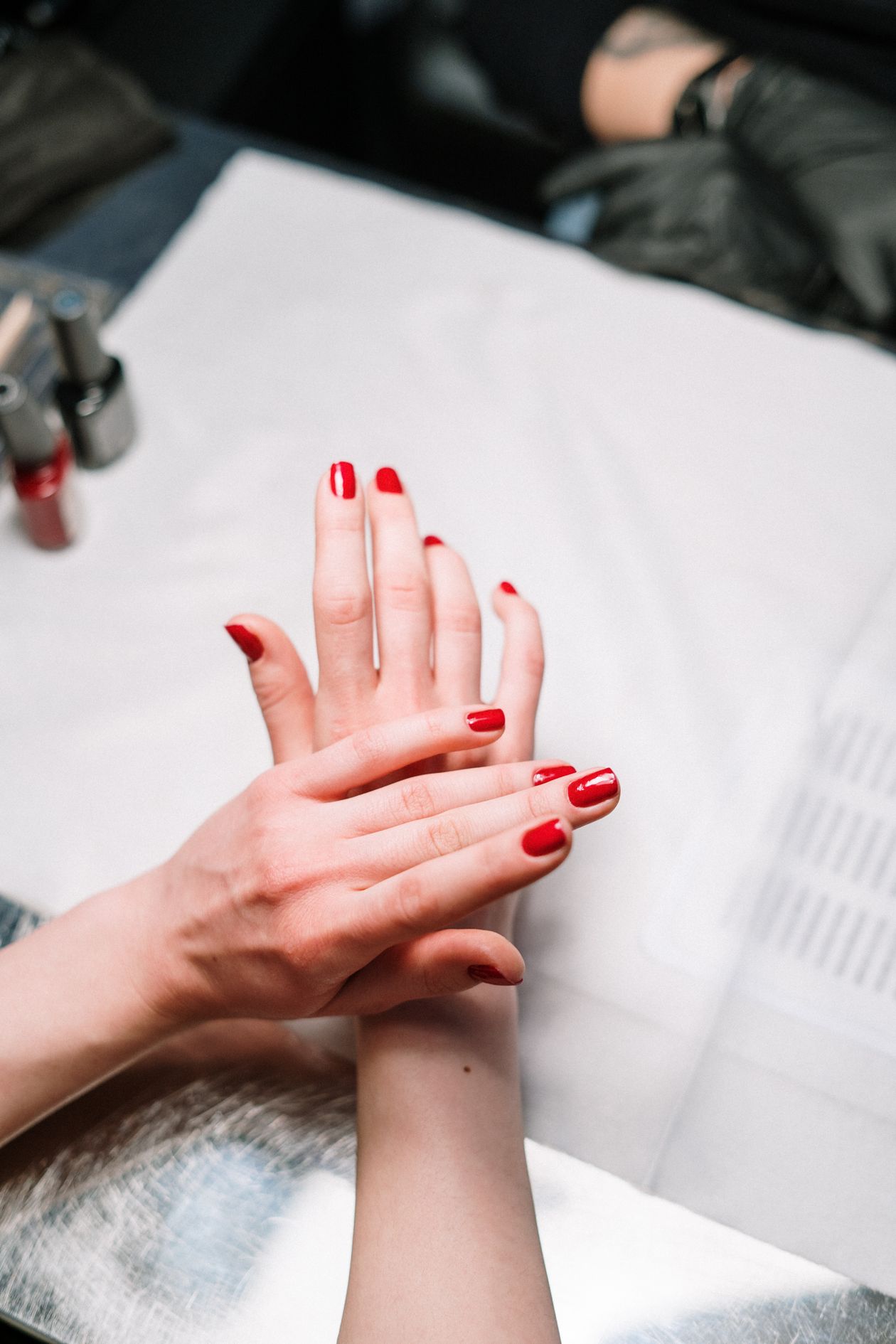
Two habits protect art more than any others. Gloves for dishes and cleaning, because hot water and chemicals dull topcoat and loosen stones faster than any other daily activity. And cuticle oil, dabbed daily, which keeps the natural nail flexible so the finish on top flexes instead of cracking at the edges. Art rarely fails in the middle of the nail. It fails at the borders that maintenance protects.
When a stone does go or an edge chips, a small fix in the first days is quick and cheap compared with waiting. Most salons will repair a single nail between sets without ceremony. The clients whose art always looks fresh are not luckier. They just treat a small failure as a same-week errand instead of a reason to write off the whole set.
Common questions
What nail art lasts the longest?
Designs sealed into the finish: full color, chrome or cat-eye powders under topcoat, gel French tips, and gradients. Anything raised or glued on top wears fastest.
Why does white nail art look dirty after a week?
Pale colors show stains from sunscreen, denim dye, newsprint, and everyday grime. A glossy topcoat helps, and gloves for cleaning protect light designs noticeably.
Can a design from a photo be made more durable?
Usually, yes. Technicians routinely paint versions of charms, move art off the working fingers, and adjust finishes so a favorite look survives real use.
Photos in this guide are representative stock images.
← All guides from Solar Nails Spa← Back to Solar Nails Spa