The most common nail mistake is not choosing the wrong finish. It is stretching the interval until something breaks. Nails grow steadily, about three millimeters a month, and every enhancement is engineered around that growth. As the natural nail lengthens, the thickest, strongest part of the artificial nail migrates toward the tip, the stress point moves with it, and a nail that felt solid in week one becomes a lever by week four.
This calendar approach works for any client of a Huntersville salon: learn the interval for your finish, book to the interval rather than to visible damage, and watch for the handful of signs that mean come in early. The result is fewer breaks, no emergency repairs, and sets that look intentional every week instead of only the first one.
The intervals, finish by finish
Acrylic fills are due every two to three weeks. At the fill, the technician files down the grown-out ridge near the cuticle, rebalances the nail, and applies fresh product where the natural nail has emerged. Waiting past three weeks is the main cause of acrylic breaks, because the weight of the set has shifted too far toward the tip. Gel polish is a remove-and-replace service every two to three weeks, sooner if edges chip, since there is nothing to fill.
Dip powder typically goes three to four weeks between appointments, at which point it is soaked off or filled depending on the salon's practice and the condition of the set. Pedicures run on a slower clock: four to six weeks for polish changes on toes, because toenails grow more slowly and feet take less mechanical abuse than hands, keyboards and steering wheels aside.
Signs you waited too long
A visible gap between the product and the cuticle is the calendar made visible. Past that, the warnings turn physical: a nail that flexes or clicks when pressed, lifting at the edges, a hairline crack across the stress point, or tenderness at the base. Any of these means the set is overdue, and continuing to type, type, open cans, and garden with it risks a break through the natural nail, which hurts in a way a salon bill never does.
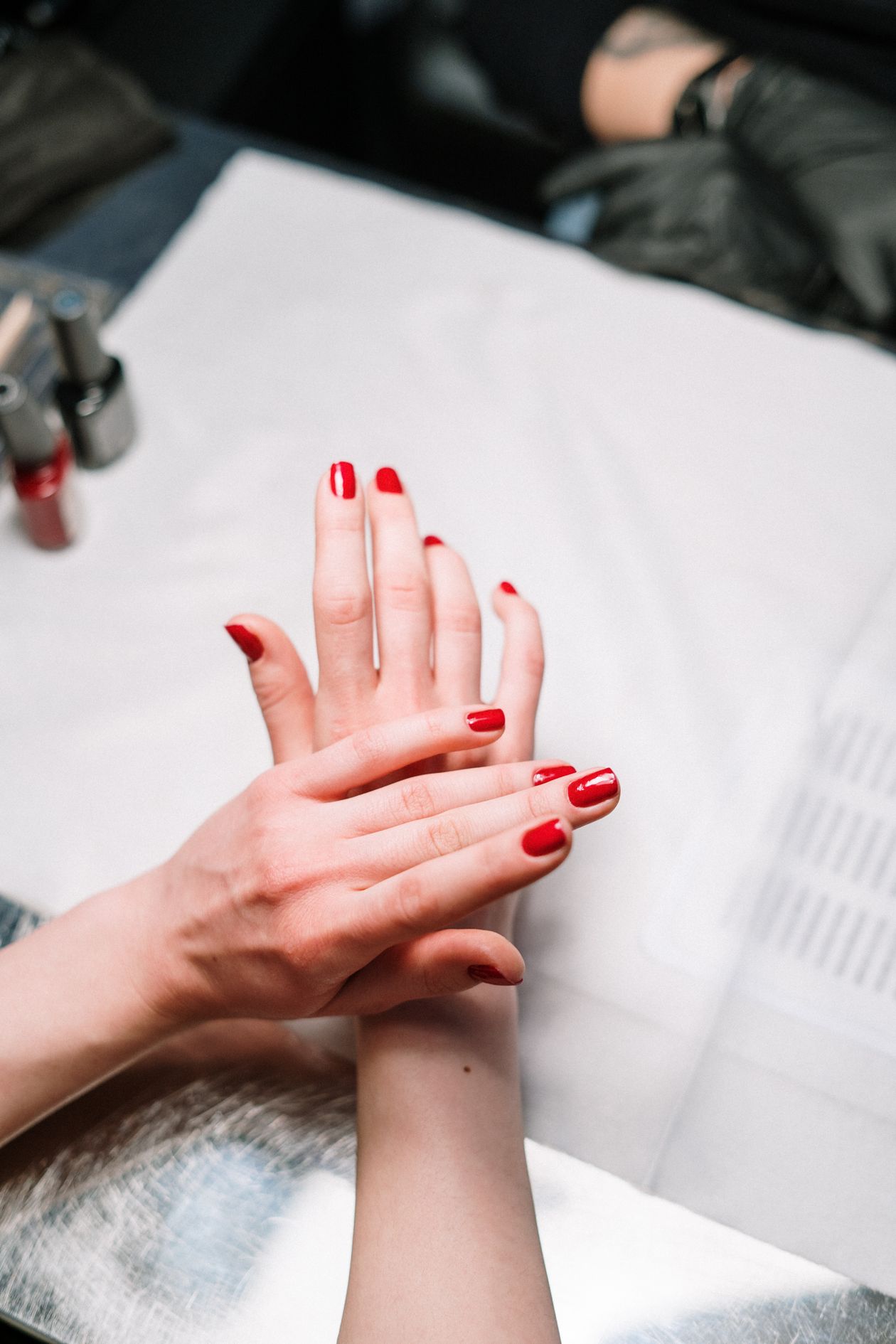
The other sign is water. A lifted edge lets water under the product, and trapped moisture against the nail bed is where greenish discoloration starts. If you can see lifting, do not seal it in with glue and hope. Shorten the nail if you can, keep it dry, and move the appointment up. Catching a lifted set early is a small appointment. Ignoring it can mean removing the whole set and sitting out finishes until the natural nail clears.
Seasons change the schedule
Summer in Huntersville is hard on nail intervals. Pool water, sunscreen, lake days at Lake Norman, and gardening all work on edges and finishes, and feet in sandals get looked at daily, which shortens the acceptable pedicure interval socially if not structurally. Many clients run a week tighter on every service from May through August and never regret it.
Winter runs the other way. Dry indoor heat makes natural nails brittle and cuticles crack, so breaks cluster in January even at the same interval. Winter maintenance is less about the product and more about the skin and natural nail around it: cuticle oil daily, gloves for dishwater and cleaning, and a technician told about brittleness so the set can be built a touch more conservatively.
Booking like a regular
The clients whose nails always look right share one habit: the next appointment is booked before they leave the current one. Salons fill their best times first, and a client working to a three-week rhythm who books at the chair never has to gamble on a cancellation slot in week four. Standing appointments at the same interval also let the technician learn your nails, which speeds every visit and improves every set.
If your schedule is irregular, book the outer edge of the interval rather than the perfect day. A fill at two and a half weeks because that is when you are free beats a fill at three and a half weeks with a break in between. Enhancements forgive being early every time. They punish being late out of all proportion to the days involved.
When a fresh set beats another fill
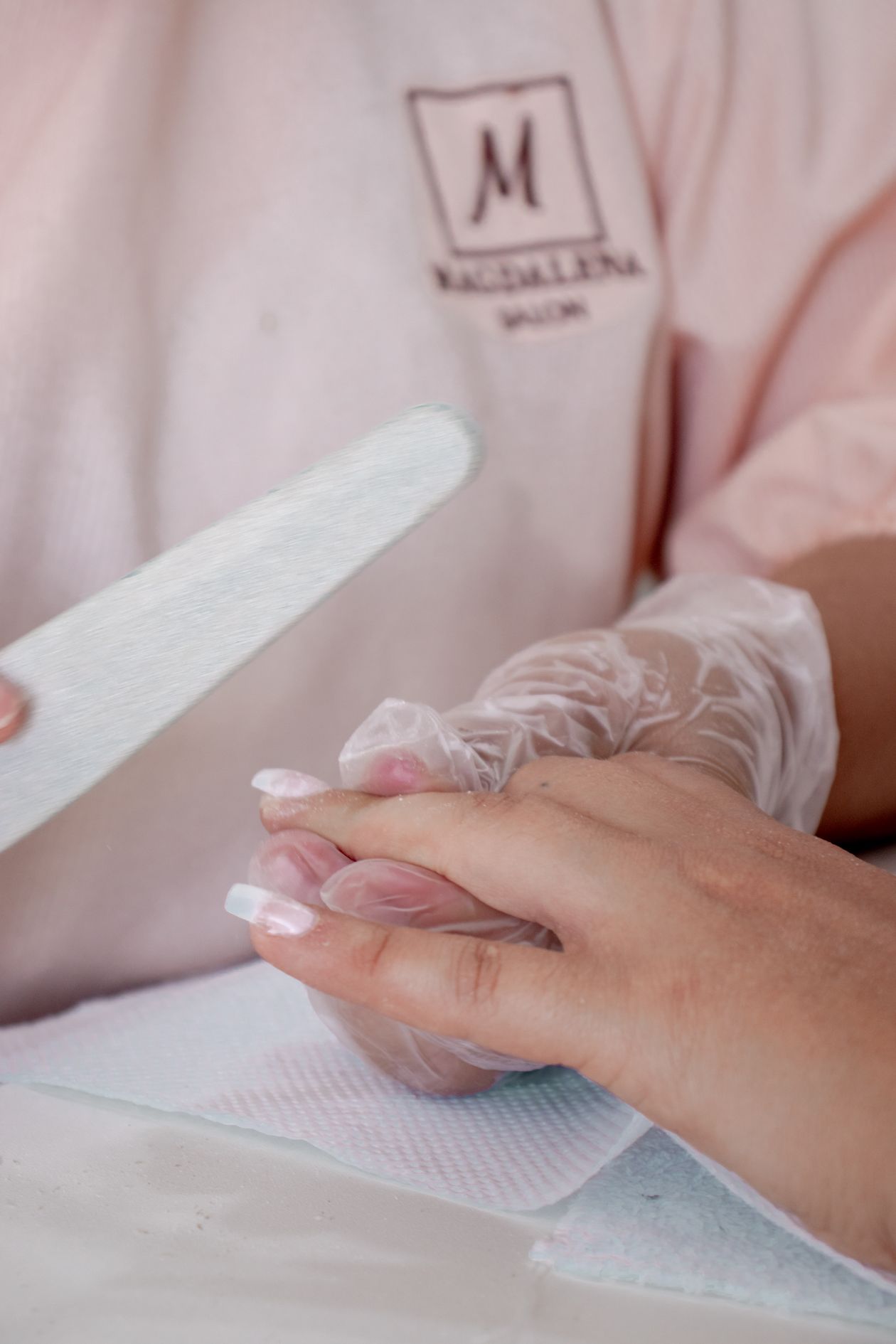
Fills cannot go forever. After several fills, product layers, small repairs, and patches accumulate, and the set gradually becomes a repair job wearing a costume. Most technicians will suggest a full removal and fresh set after a run of fills, or immediately if multiple nails are lifting, cracking in the same place, or showing discoloration. That suggestion is maintenance, not upselling.
A fresh set also resets the shape. Nail shapes drift over months of fills as lengths and angles get adjusted one nail at a time. Periodically starting over returns the set to one consistent architecture. Think of fills as oil changes and the fresh set as the occasional real service: both belong in the calendar of anyone who wears enhancements year-round.
Common questions
How often should acrylic nails be filled?
Every two to three weeks. Past three weeks the weight of the set shifts too far toward the tip as the natural nail grows, and breaks become much more likely.
How long can a pedicure go between appointments?
Four to six weeks is typical, because toenails grow more slowly than fingernails. Summer sandal season is when most people choose the shorter end.
What happens if I wait too long between fills?
The main risks are lifting, trapped moisture under the product, and a break through the natural nail. All three turn a routine fill into a bigger and more uncomfortable repair.
Photos in this guide are representative stock images.
← All guides from Solar Nails Spa← Back to Solar Nails Spa